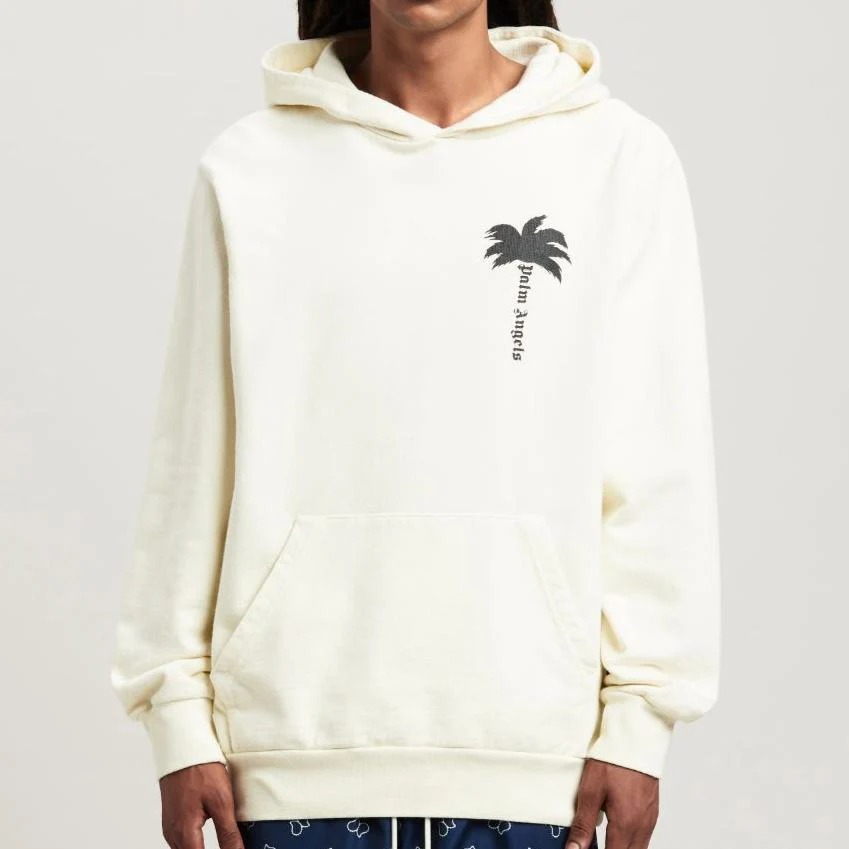
Fashion is a reflection of both personal style and the cultural moment. As we enter 2025, one of the most heated debates in the fashion world revolves around two opposing aesthetics: minimalism and maximalism. These contrasting approaches to style have long been part of the fashion conversation, but in 2025, their battle for dominance is more intense than ever. High-end fashion, luxury clothes, and high fashion clothing are all part of this ongoing discussion, with each side bringing something unique to the table. So, which trend will define the fashion landscape in the coming years? Let’s dive into this fashion debate and explore where minimalism and maximalism stand as we head into 2025.
Understanding Minimalism in Fashion: Less is More
Minimalism is a fashion philosophy that focuses on simplicity, clean lines, and understated elegance. It’s about stripping away the excess and emphasizing quality over quantity. In the context of high-end fashion and luxury clothes, minimalism often translates to sophisticated, timeless pieces that stand the test of time. Think simple, well-tailored suits, monochromatic outfits, and minimal embellishments. In this section, we’ll look at why minimalism continues to be a dominant force in the fashion world.
1. The Allure of Timeless Elegance
Minimalism in high fashion is about creating garments that have a long-lasting appeal. High-end fashion brands have embraced minimalist designs because they resist the quickly changing trends that come and go. Luxury clothes that feature sleek silhouettes, neutral tones, and understated detailing become wardrobe staples, prized for their versatility and enduring elegance. Classic pieces like a tailored blazer, a simple white shirt, or a pair of perfectly fitted trousers never go out of style, making them valuable investments in a world obsessed with fast fashion.
2. Sustainability and the Rise of Quality Over Quantity
Minimalism also aligns with the growing movement toward sustainability in fashion. In a world where consumers are becoming more conscious of their environmental impact, minimalism advocates for fewer, higher-quality garments that last longer. High-end fashion brands are responding by offering luxury clothes made from sustainable materials that emphasize craftsmanship and durability. By focusing on timeless pieces that transcend trends, minimalism encourages consumers to buy less but invest in pieces that will last a lifetime.
3. The Psychological Appeal of Simplicity
In a world that often feels chaotic and over-stimulated, minimalist fashion offers a sense of calm. The clean lines and neutral colors that dominate minimalist collections create an aesthetic that feels grounded and serene. For many, wearing simple yet well-made garments allows them to focus on quality rather than quantity, letting them feel confident without being overwhelmed by flashy embellishments. In 2025, minimalist fashion continues to attract those who seek a refined, polished look without the distractions of excessive patterns or excessive ornamentation.
The Maximalist Counterpoint: More is More
While minimalism focuses on reducing clutter, maximalism champions the idea of excess, embracing bold patterns, bright colors, and a riot of textures. Maximalism has been gaining momentum in recent years, with designers pushing the limits of creativity and extravagance. In 2025, maximalism is making a triumphant return, especially in high-end fashion and luxury clothes. Let’s explore why this over-the-top style is becoming a major contender in the fashion world.
1. The Power of Personal Expression
Maximalism allows for a greater degree of personal expression through fashion. It’s about embracing individualism and creating a look that’s unique, dramatic, and loud. High fashion clothing, in this context, becomes a way to tell a story, to create something that speaks to the wearer’s personality and interests. Designers in 2025 are using maximalism as a way to break free from the constraints of tradition, creating garments that are not just clothes but works of art.
2. Mixing Textures and Colors: A Feast for the Eyes
One of the hallmarks of maximalism is the bold use of color and texture. While minimalism relies on a pared-back palette, maximalism is all about blending contrasting textures and vibrant hues. From luxurious brocades and velvets to metallics and neon shades, maximalist designs in 2025 will be characterized by their vibrant complexity. Luxury clothes, in this case, are meant to stand out, to make a statement and catch the eye. It’s about the spectacle, the richness of the fabrics, and the boldness of the designs.
Maximalism encourages experimentation—mixing patterns, textures, and even styles in a way that is unapologetically extravagant. The combination of a floral print with bold stripes, or rich velvet with sequins, exemplifies the creativity that maximalism allows. It’s a celebration of fashion as a form of self-expression and art.
3. Breaking Fashion Boundaries
Maximalism represents a rejection of the norms that have traditionally defined luxury clothes. High-end fashion in 2025 will increasingly experiment with eccentric proportions, layering, and unusual silhouettes. High fashion clothing that once adhered to the established rules of tailoring and design will now break those boundaries, embracing exaggerated shapes, oversized accessories, and a sense of rebelliousness.
As maximalism continues to evolve, expect to see more collaborations between designers and artists, pushing the boundaries of creativity and fashion. Whether it’s through avant-garde runway shows or limited-edition collections that emphasize individuality, maximalism is about celebrating fashion as an art form rather than simply a means of dressing.
Minimalism vs. Maximalism: The Battle for 2025
Now that we’ve explored both trends, it’s time to assess how minimalism and maximalism will coexist in 2025. Will one dominate, or will they find a way to complement each other?
1. The Intersection of Both Worlds
In 2025, it’s possible that the lines between minimalism and maximalism will blur. High-end fashion brands may begin to fuse elements from both aesthetics, creating collections that balance the clean lines of minimalism with the bold flourishes of maximalism. For example, a simple monochrome outfit could be paired with a statement piece like a vibrant, oversized scarf or an extravagant accessory. This hybrid approach would allow consumers to dip into both worlds, creating personalized looks that balance simplicity with drama.
Many luxury clothes brands are already experimenting with this juxtaposition, offering collections that mix minimalist silhouettes with maximalist embellishments. The key to this blend is creating harmony between the two styles, ensuring that one doesn’t overpower the other.
2. The Influence of Gen Z and Millennials
The younger generation is playing a key role in the fashion debate. Both minimalism and maximalism appeal to different aspects of their personalities and values. Gen Z and millennials, known for their love of self-expression, might gravitate toward maximalism, appreciating the boldness and individuality that comes with this trend. However, they also place high importance on sustainability and quality, which aligns well with the minimalist philosophy.
This means that in 2025, we may see a more diverse approach to fashion, with consumers cherry-picking elements from both styles to create looks that feel both authentic and environmentally conscious. As the demand for luxury clothes continues to grow, brands will be challenged to cater to these two very different preferences while maintaining their high standards of craftsmanship and quality.
3. Maximalism’s Influence on High-End Fashion
Maximalism is likely to have a lasting impact on high fashion clothing. While minimalist designs are timeless, maximalist fashion will continue to push the boundaries of creativity and innovation in 2025. Luxury clothes will increasingly become a statement of individuality, a way for people to showcase their personal style with flair. Expect to see more experimental runway shows, with designers using maximalism to make bold political, social, or artistic statements through their collections.
4. Minimalism’s Enduring Appeal in Luxury Fashion
While maximalism may take center stage, minimalism will always have a place in the world of high-end fashion. The timelessness, simplicity, and sophistication of minimalist garments will continue to appeal to those who seek understated luxury. The minimalist approach allows for versatility, with a single high-end garment capable of being worn in numerous settings, from casual to formal. In 2025, this flexibility and quality will remain highly valued by fashion-forward consumers.
Conclusion: The Fashion Debate of 2025 is Far from Over
As we approach 2025, the debate between minimalism and maximalism in high fashion will only intensify. Both approaches offer something unique: minimalism focuses on timeless elegance, simplicity, and sustainability, while maximalism celebrates creativity, individuality, and boldness. As luxury clothes continue to evolve, we’ll likely see an exciting blend of both styles, with designers finding ways to combine clean lines with vibrant, artistic flourishes. Ultimately, whether you prefer the quiet sophistication of minimalism or the exuberant energy of maximalism, 2025 is shaping up to be a year where fashion is all about making a statement, however big or small.

 Manish Varma Game Blog